Safety First: What to Check Before You Step Into a Flooded Basement
When a flash flood hits Nashville, the first instinct is often to rush downstairs and start bailing water. But before you open that basement door, take a moment to assess the risks. Floodwater can hide electrical hazards, sharp debris, and even wildlife that washed in with the storm. If you can see standing water near outlets, appliances, or your electrical panel, do not enter. Turn off the power at the main breaker from a dry location, and if that is not possible, call an electrician or your utility company before going any further.
Once you have confirmed the area is safe, check for structural warning signs. Look for sagging ceilings, cracks that widened during the storm, or doors that suddenly stick. These can indicate that water pressure or soil movement has stressed your foundation. If you smell gas or see exposed wiring, leave immediately and call the appropriate emergency service. Only after these basic safety checks should you begin documenting the damage for your insurance company and planning your flooded basement cleanup.
Where Water Gets In: Common Entry Points After a Storm
After a heavy rain event, water rarely enters a basement through just one spot. The most common culprits are the cove joint where the floor meets the wall, hairline cracks in poured concrete, and the top of the foundation wall where the sill plate sits. In older Nashville homes, porous block walls and deteriorated mortar joints are frequent offenders. You should also check window wells, dryer vents, and any penetrations for utility lines, since these are often overlooked until water is already pooling on the floor.
If you find water coming in at the cove joint or through multiple cracks, it is a sign that your home lacks proper drainage and waterproofing. A professional assessment can determine whether you need an Interior Drain Tile System to capture water before it reaches the floor, or whether exterior work is required to address the source. Catching these entry points early, before the next storm, is far less expensive than repairing a finished basement after a second flood.
Hidden Moisture and Mold: What You Cannot See Can Hurt You
Even if your basement looks dry after the water recedes, moisture can linger in drywall, insulation, carpet padding, and wood framing. Mold can begin to grow within 24 to 48 hours of a flood, so it is important to check for musty odors, discoloration on walls, and soft spots in drywall. Use a moisture meter if you have one, or press a dry paper towel against suspect areas to see if it picks up dampness. Pay special attention to the bottom two feet of walls and any areas where water stood the longest.
If you find hidden moisture, remove wet materials promptly and run dehumidifiers to dry the space. For severe saturation, especially in finished basements, professional drying equipment may be necessary to prevent long-term structural damage and indoor air quality problems. Once the space is dry, consider Basement Waterproofing to prevent future intrusion. A dry basement is not just about comfort; it protects your home's value and your family's health.
Cumberland River Flooding and Nashville's Unique Risks
Nashville's geography makes it particularly vulnerable to flash floods. The Cumberland River and its tributaries can rise quickly after intense rainfall, and many neighborhoods sit in low-lying areas or on clay-heavy soil that drains slowly. When the ground is already saturated, water has nowhere to go but into your foundation. Homeowners in Brentwood and Franklin face similar challenges, where rapid development and changing drainage patterns can redirect stormwater toward older homes.
If your property is near a creek, storm drain, or floodplain, you should be especially proactive about Foundation Waterproofing. Simple steps like extending downspouts, regrading soil away from the foundation, and clearing gutters can reduce risk, but they may not be enough during a 100-year flood event. A professional evaluation can identify vulnerabilities specific to your lot and recommend solutions that match Nashville's climate and soil conditions.
Flood Prevention Near Me: When to Call a Basement Waterproofing Pro
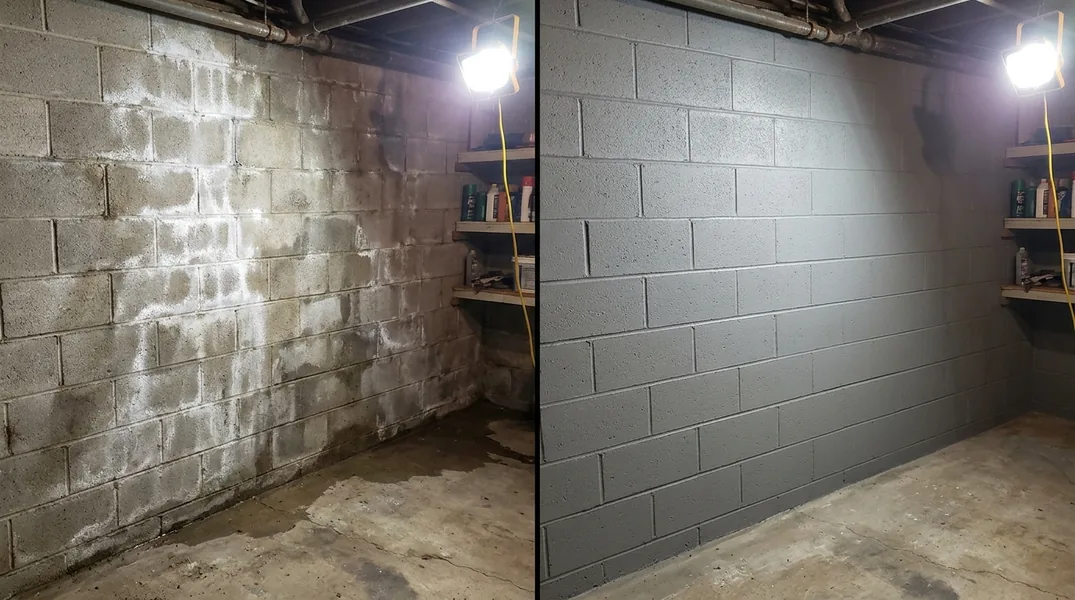
Many homeowners wait until after a second or third flood to call for help, but proactive flood prevention is almost always cheaper than repeated cleanup and repairs. If you have experienced water in your basement more than once, noticed efflorescence (white powder) on your walls, or seen cracks that seem to grow after each storm, it is time to bring in a professional. A specialist can evaluate your drainage, foundation condition, and grading to recommend a tailored solution, whether that means an interior system, exterior membrane, or both.
If you are searching for basement waterproofing near me in the Nashville area, look for a local company that understands the specific challenges of Tennessee storms and soil. Nashville Waterproofing offers inspections and free estimate appointments to help you understand your options. You can also call (629) 243-3552 to speak with a team member directly. Taking action now can save you thousands in future water damage and give you peace of mind before the next flash flood warning.
Looking for a professional basement waterproofing contractor in Nashville? Nashville Waterproofing responds fast for all your basement waterproofing needs.
Get a Free QuoteOur services: Basement Waterproofing · Interior Drain Tile System · Exterior Basement Waterproofing